When the Map Moves After the Vote

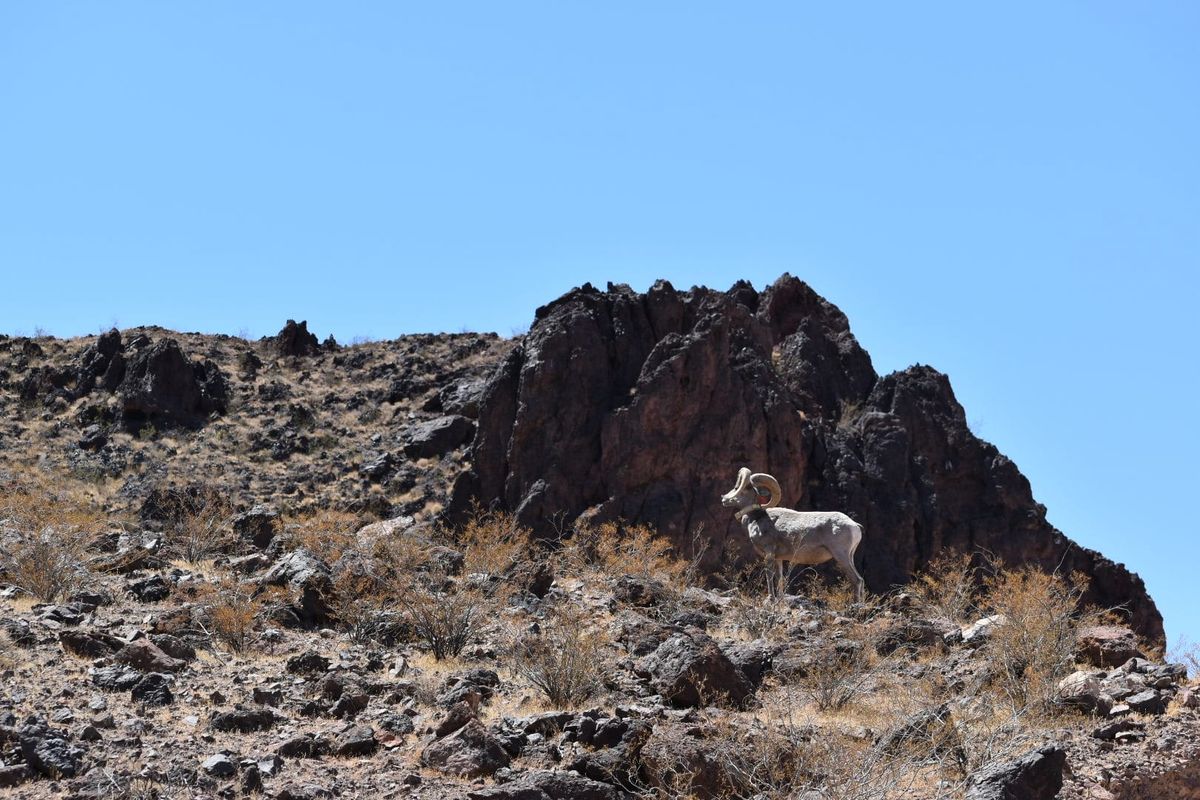
In Boulder City, a data center crossed an invisible jurisdictional line—and changed who got to decide.
The project did not move very far.
The center of power moved much farther.
This summer, Boulder City residents organized against a proposed data center on city-controlled land. The developer eventually withdrew its local application. Under the familiar rules of municipal government—planning meetings, public testimony and elected officials—the community appeared to have prevailed.
Then the proposal resurfaced on an adjacent federal parcel managed by the Bureau of Land Management.
The physical distance was small. The jurisdictional distance was enormous.
In June, BLM approved the Townsite Data Center on 88.5 acres of public land. The agency described the project as part of the federal effort to accelerate data-center infrastructure and support “innovation, advanced technology, and the nation’s future economic growth.”
Boulder City tells the story differently. City officials say BLM approved a project within the city’s jurisdiction without adequately consulting the city or providing residents a meaningful opportunity for public input. The federal site would still depend on local utilities and emergency services. The City Council unanimously appealed.
An Interior Department administrative judge subsequently paused construction while the appeals proceed. One central issue is BLM’s reliance on an earlier environmental analysis prepared when the site was approved for solar generation and battery storage. The judge found that a solar facility—which adds electricity to the grid—is not substantially the same as a 300,000-square-foot data-center complex that consumes it.
That is the documented dispute. The larger meaning requires interpretation.
Nevada has always been shaped by people looking at its open landscape and seeing possibility: mines, military ranges, solar fields, warehouses, server farms and cities that do not exist yet. BLM alone manages 48 million acres—63% of the state. The federal government owns roughly 80%.
To Silicon Valley, that geography can look like an infrastructure solution: abundant land, solar potential, proximity to Las Vegas and fewer neighbors than California. To Washington, AI facilities can be framed as instruments of economic growth, technological leadership and competition with China.
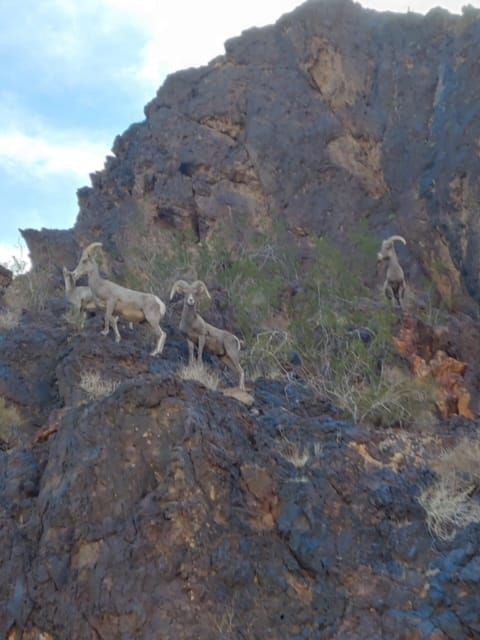
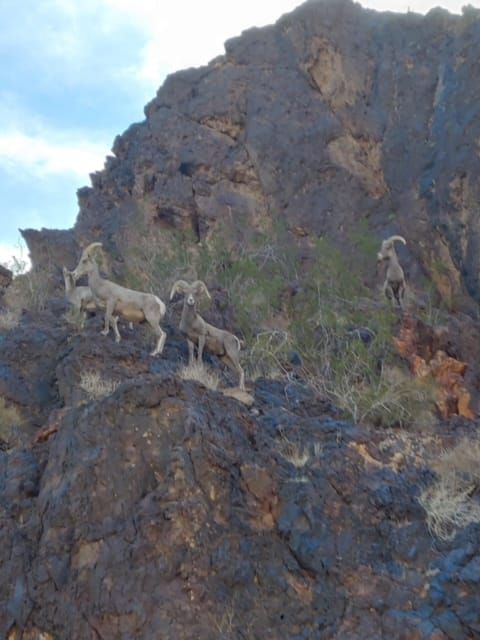
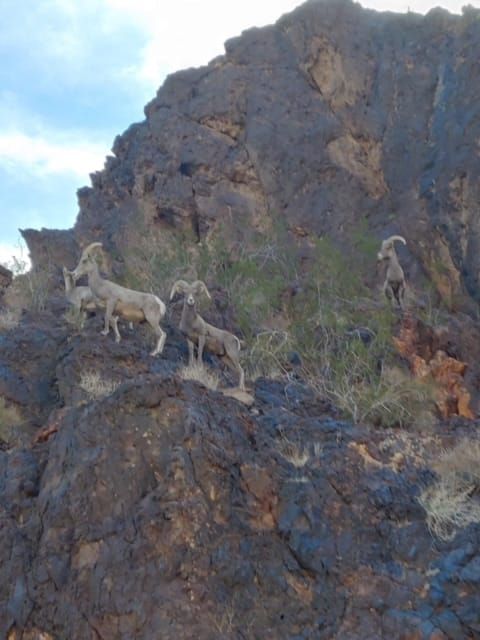
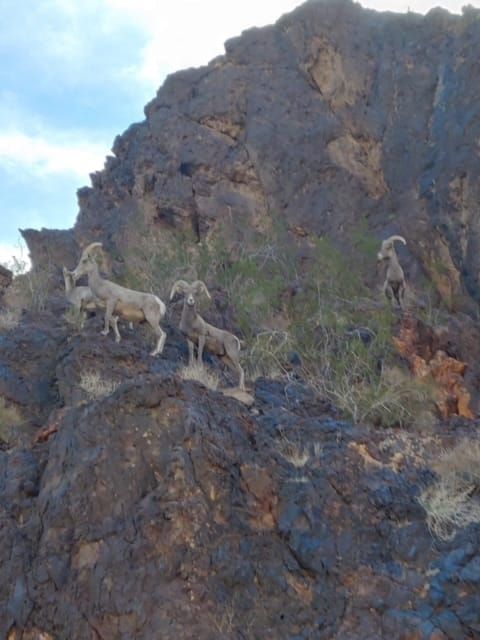
But to the people already living nearby, the same land is not empty. It is a viewshed, a watershed, a utility system, wildlife habitat and home.
This is where Nevada’s technological expansion intersects with its political movement to the right—not as a simple partisan story, but as a governing philosophy. Faster permitting is treated as competitiveness. Environmental review becomes friction. Public land becomes an infrastructure platform. Local objections remain audible, but the venue capable of overruling them moves farther away.
Governor Joe Lombardo has supported data-center development with additional state guardrails, while Democratic challenger Aaron Ford has opposed locating the facilities on public land. Yet opposition in Boulder City crosses ideological lines. Conservatives and liberals have found common ground around a more elemental question: Who gets to decide what happens beside their homes?
That question sits near the foundation of Battleborn 2050.
The fictional Nevada of that story was built around the idea that the state’s land, minerals, energy and political malleability would make it attractive to powerful technology interests. The danger was never that an army would arrive and seize Nevada. It was that authority would migrate through agreements, permits, incentives and jurisdictional seams until residents discovered that the decisive meeting had already happened somewhere else.
Townsite is not proof of a conspiracy or an inevitable dystopian future. Its construction is paused, its legality remains contested and its ultimate fate is unresolved.
But it is a signal.
A community used the democratic process available to it. The project changed maps. The rules changed with it.
The future did not move across the desert.
The boundary moved around the people.
- Reggie Burton
Signals from Nevada: Observations at the intersection of technology, democracy, business and humanity.