The Divide

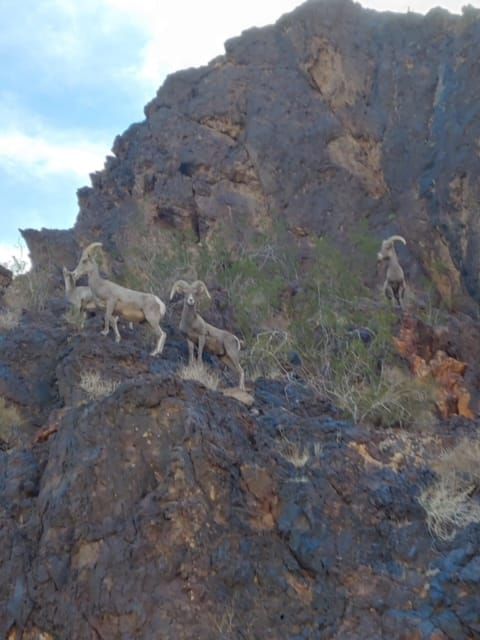
Not everyone experiences the future the same way.
In conversations about innovation, the language is usually optimistic.
Growth.
Technology.
Efficiency.
Transformation.
But beneath those words is another reality:
Access isn’t evenly distributed.
Some communities gain infrastructure.
Others lose stability.
Some workers adapt to new systems quickly.
Others are asked to compete against systems designed without them in mind.
And increasingly, the divide isn’t just economic.
It’s geographic.
Urban centers attract investment, connectivity, and attention.
Rural communities often experience the future differently—slower access, fewer resources, and less influence over decisions that still affect them.
Even inside growing cities, the contrast is visible.
Luxury developments rise next to housing insecurity.
High-speed connectivity expands while entire neighborhoods remain disconnected from opportunity.
The same technology that creates convenience for some can create exclusion for others.
That doesn’t mean innovation is inherently bad.
But it does raise an important question:
Who is innovation actually designed to serve?
In Nevada, those tensions are becoming easier to see.
New industries promise growth.
Data centers demand power and land.
Technology reshapes the workforce.
Public systems struggle to keep pace.
Meanwhile, everyday people are still trying to answer basic questions:
Will I be able to afford to stay here?
Will my work still matter?
Will my community benefit from what’s being built around it?
The future rarely arrives equally.
Some people experience it as progress.
Others experience it as displacement.
That’s the divide.
And understanding that divide may become one of the defining challenges of the next decade.
- Reggie Burton
Signals from Nevada